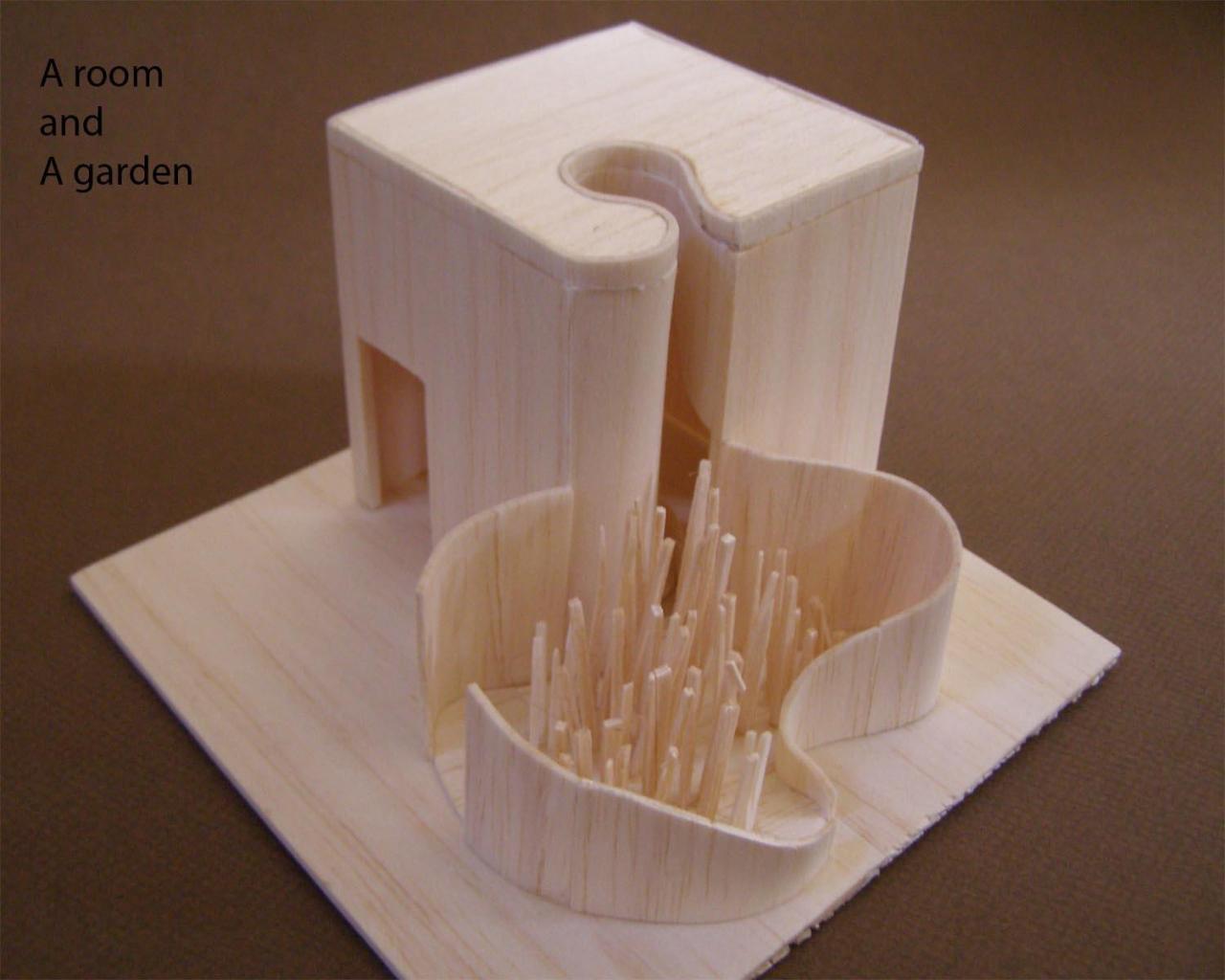
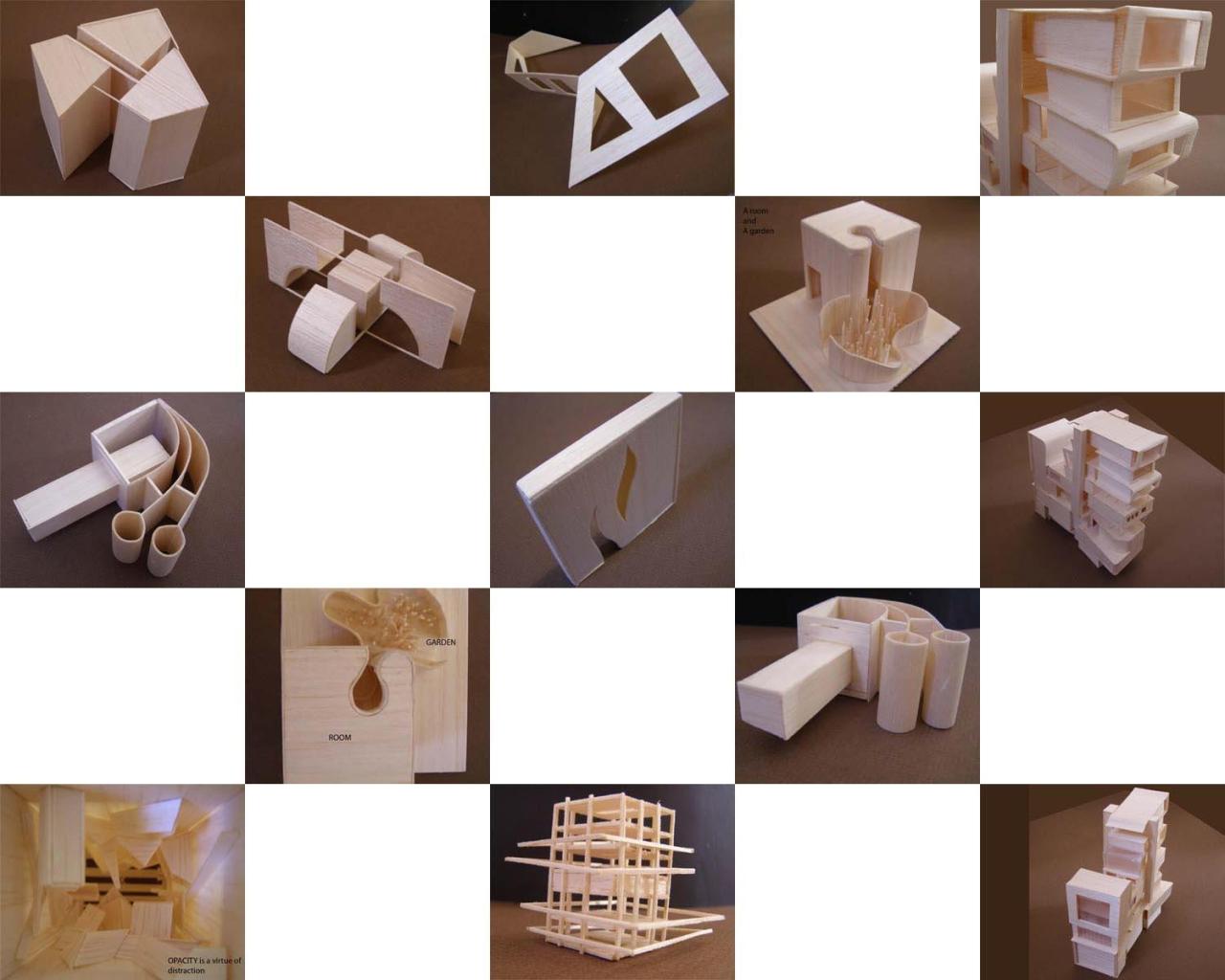
My path started in architecture — studying at the University of New South Wales in Sydney, building models that explored how rooms breathe, how gardens hold space. I practiced design with WD Partners before realizing that the questions I cared about most lived not inside individual buildings but in the systems between them: who gets to live where, whose neighborhood gets invested in, and who decides.
That turn led me to urban planning, a Ph.D., and a U.S. Institute of Peace fellowship studying how cities either resist or reproduce violence. My dissertation — "The Ethnic Community: Urban Form, Peace, Conflict, and Violence in Urban India" — examined how the physical design of neighborhoods shapes interethnic relations and conflict.
At the City of Norfolk, I served as Management Analyst III and Program Lead for the People First program within the $100M+ St. Paul's Area Transformation, securing and managing a $30M HUD Choice Neighborhoods Initiative grant and leading brownfield redevelopment efforts. I learned what it takes to move large systems from the inside.
Now, as a Planner III at M-NCPPC Montgomery County Planning and Faculty Lecturer at the University of Maryland's Colvin Institute of Real Estate Development, I teach courses on real estate development (RDEV415 and RDEV615) and serve as a member of my department's AI Working Group. These days, the same questions that drew me from architecture to planning have drawn me further — into AI ethics, where the stakes of how we design systems have never been higher.
At a Glance
Current Role
Planner III, M-NCPPC Montgomery County Planning
Teaching
Faculty Lecturer, UMD Colvin Institute of Real Estate Development (RDEV415, RDEV615)
Dissertation
"The Ethnic Community: Urban Form, Peace, Conflict, and Violence in Urban India" — USIP Peace Scholar
Architecture
M.Arch, University of New South Wales, Australia
Norfolk, VA
Management Analyst III / Program Lead — People First, St. Paul's Area Transformation, $30M HUD Choice Neighborhoods grant
Based in
Silver Spring, Maryland